Fresno WaterWhat's Actually in Fresno Tap Water?
City reports list a lot of long chemical names. Here's what those detections actually mean in plain English, and why your tap can tell a different story than the system average.
Fresno's water meets federal and state standards — but 'compliant' and 'what's actually in your glass' aren't always the same thing. Here's how to read between the lines of a water report.

When a city says its water is safe, it means the water meets the legal limits set by the EPA and the State of California. Those limits are real, enforceable standards. But there's an important distinction most homeowners miss: a legal limit is not the same as a health guideline. Some contaminants have legal limits that were set years or decades ago and don't reflect the latest independent health research. So water can be fully compliant and still contain substances you'd rather not drink.
This isn't a reason to panic about Fresno water. It's a reason to be informed. The most useful question isn't 'is the water safe?' in the regulatory sense — it's 'what's actually in the water at my tap, and do I want to reduce it?'
Fresno relies on a combination of groundwater pumped from wells and surface water treated at city facilities. The proportion changes depending on the season, demand, and your neighborhood. That blend is one reason two homes a few blocks apart can notice different tastes, hardness, or staining.
Groundwater in the Central Valley can pick up naturally occurring minerals like calcium, magnesium, and iron as it moves through soil and rock. Surface water tends to be softer but is treated with disinfectants like chlorine to keep it safe through the distribution system.
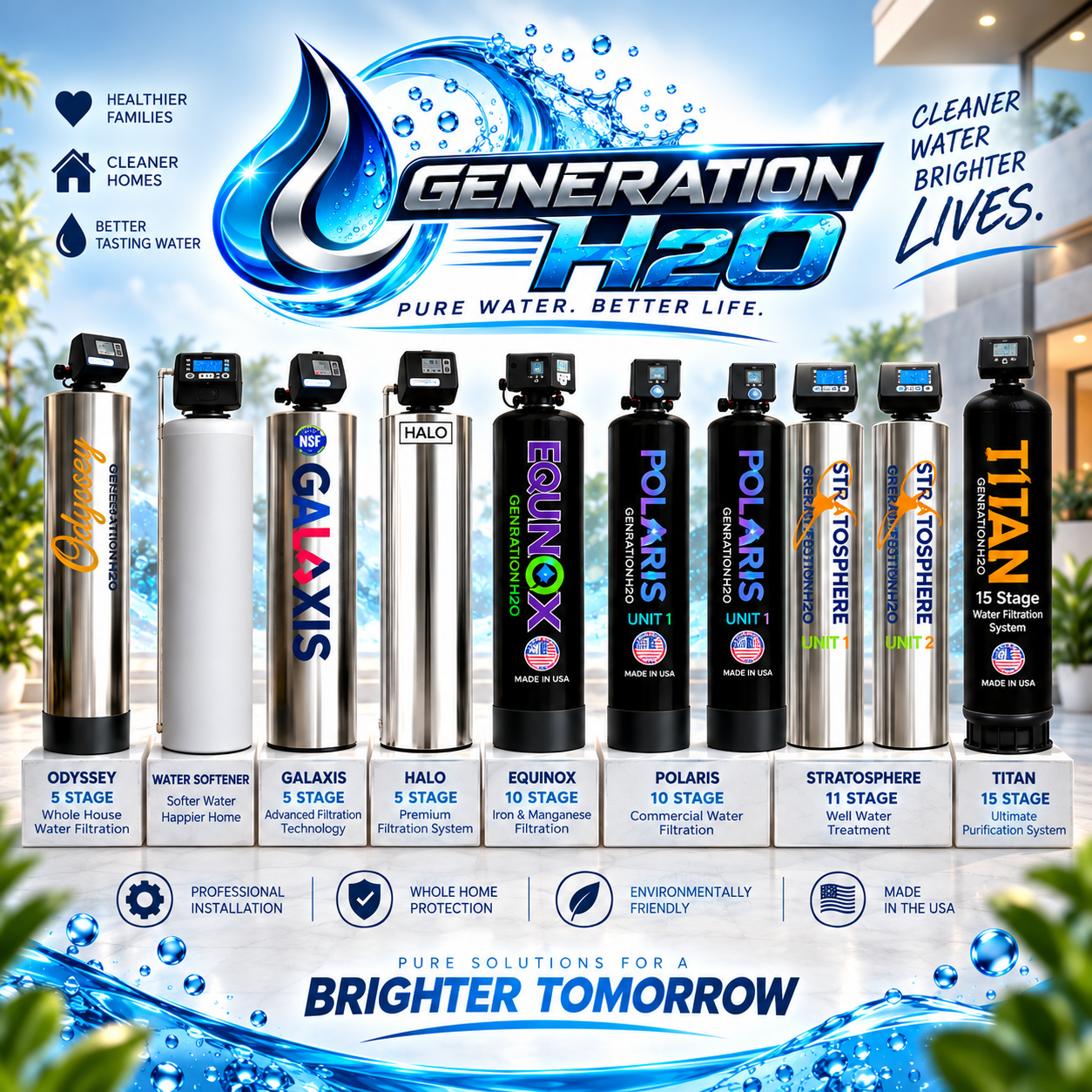
Every community water system publishes an annual Consumer Confidence Report (CCR). It lists detected contaminants and whether they stayed within legal limits. That's genuinely useful information, and it's worth reading.
What it does not tell you is what comes out of your specific faucet. Water travels through miles of pipe and your home's own plumbing before it reaches your glass. Along the way it can pick up sediment, pick up metals from older plumbing, or lose the chlorine residual that kept it disinfected. A city report describes the system. A tap test describes your water.
That's why we always start with a free water test at your tap — book your free water testing and see for yourself.
For most people, Fresno tap water that meets standards is fine for everyday use. If you want to know exactly what's in your water — and whether a filtration system would make a meaningful difference — the answer is to test it. Not guess, not assume, not rely on a neighbor's experience. Test your water at the tap and decide from there.
If a system makes sense for your home, we'll show you the options and give you clear pricing before you decide anything. If it doesn't, we'll tell you that too.
Schedule a free in-home water test with Generation H2O. We’ll test your water, explain what we find, recommend the appropriate solution if one is needed, and provide clear pricing before you decide.
Fresno WaterCity reports list a lot of long chemical names. Here's what those detections actually mean in plain English, and why your tap can tell a different story than the system average.
Fresno WaterNot every home needs a filter. Here's an honest way to figure out whether yours does — and how to decide without anyone pressuring you.
Fresno WaterThat pool-like taste isn't in your head. It's chlorine, it's there for a reason, and you can absolutely reduce it.